
| What is Business Policy? :: |
| A business policy is a promise about how the business intends to operate, make decisions and treat people. It translate personal values into business principles, connect those principles with business strategy, and guide everyday decisions. A good policy does not need to be lengthy or complicated. It should be clear enough to guide your decisions, practical enough to follow and meaningful enough to reflect the kind of business you want to build. |
| Why Frame Business Policy? :: | |
|
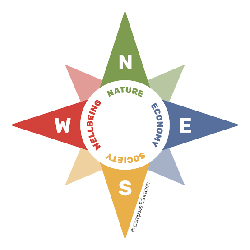
Business Policy as a Personal Compass
Just as a person’s values and principles act as a compass that guides decisions through life’s uncertainties, a business policy serves as the organization’s compass, providing direction and purpose in every action. A compass does not tell us exactly what obstacles lie ahead, nor does it choose every step for us. Instead, it keeps us oriented toward what truly matters. In the same way, business policies reflect the organization’s core beliefs and priorities, helping managers and employees make consistent decisions even in unfamiliar situations. Without personal values, a person may drift from one opportunity to another without a clear sense of purpose. Likewise, without sound business policies, an organization may chase short-term profits while losing sight of its identity, responsibilities, and long-term aspirations. When business policies are rooted in strong principles such as integrity, quality, innovation, sustainability, and service, the organization becomes more than a profit-making enterprise. It becomes a vehicle for creating value, serving society, developing people, and leaving a lasting positive impact. |
|
Business policy begins with a simple but important reflection:
What do I believe in, what am I trying to build, and how should I pursue it? The values that guide us personally, such as honesty, fairness, respect, reliability, concern for the environment, or commitment to community wellbeing, often shape our vision for the kind of business we want to create. Whether the goal is to provide dependable services, generate meaningful employment, build a trusted brand, meet a community need, or establish a sustainable enterprise for future generations, these aspirations influence how we define success. The next step is to consider how responsible business practices can support those goals. Honest communication can strengthen customer trust, fair treatment can foster stronger relationships, reducing waste can improve efficiency, and dependable supplier partnerships can enhance continuity. Over time, these choices evolve into guiding principles that shape everyday decisions. In essence, an effective business policy creates a clear connection between what we believe, what we seek to achieve, and the way we choose to achieve it. Start by completing the following self-assessment. Business commitment must translate into action. This will be covered in the next section. |