
| Leadership begins with one meaningful action :: | |
| Growing a Movement, One Tree at a Time | |
|
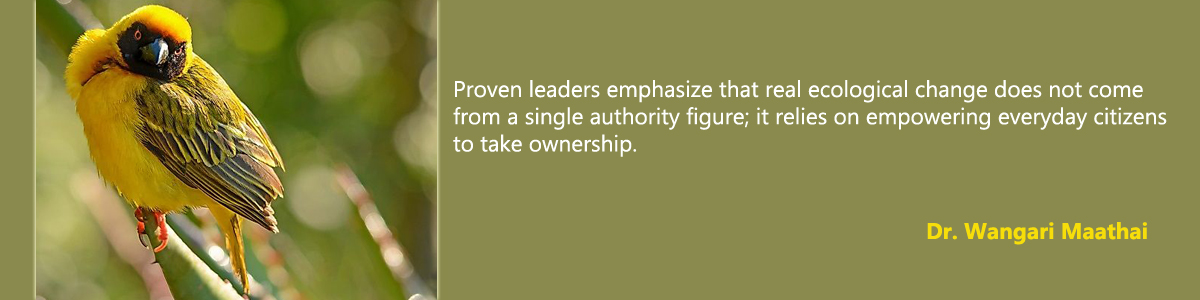
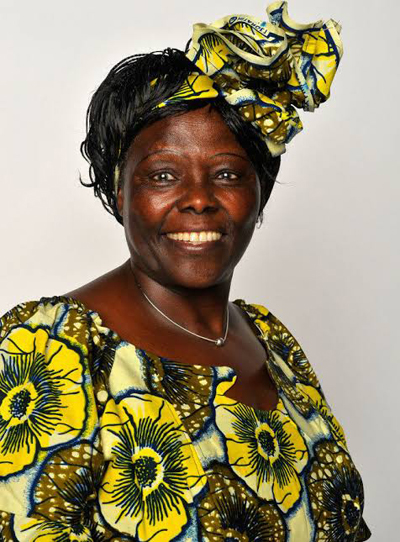
What can one person do when the environment is being damaged and communities are struggling? A Whole Lot! This is the inspiring story of Wangari Maathai, a Kenyan biologist and environmental leader. In 1977, she established the Green Belt Movement, encouraging women and local communities to plant trees to address deforestation and improve their livelihoods. Her initiative began with a simple, practical idea: caring for the environment could also help people protect their resources, strengthen their communities and improve their lives. What started as grassroots action developed into a movement that inspired environmental work well beyond Kenya. In 2004, Maathai received the Nobel Peace Prize for her contribution to sustainable development, democracy and peace. Her story offers an important lesson for every business owner: responsible leadership does not begin with a large budget, a formal policy or a perfect plan. It begins with recognising a responsibility and taking meaningful action. |
| What is responsible leadership? :: |
|
It is easy to feel that our individual actions are too small to matter in a world that seems overwhelmingly large and complex. As business leaders, we may sometimes wonder, What difference can my business really make? Yet meaningful change always begins with the choices made by individuals who recognize the influence they hold.
Let us remind ourselves that: “Every business owner has the power to shape how employees are treated, how customers are served, how resources are used, and how the business impacts its community. Responsible leadership is about using that influence with purpose and integrity, not merely to achieve business success, but to create positive outcomes for people, society, and the environment. The scale of the action may vary, but the principle remains the same: leadership becomes truly meaningful when values are translated into everyday decisions.” Let us never underestimate the significance of our role. Every policy we adopt, every decision we make, and every example we set has the potential to create a ripple effect that extends far beyond our organization. We must value our role as a leader. Leadership is not defined by position or authority alone; it is measured by the positive impact we create and the lives we influence. Let us remember: “Leadership is the privilege to influence, the responsibility to act, and the opportunity to make things better. Every thoughtful decision is a chance to leave a positive mark on people, communities, and the world around us.” |
| Why responsible leadership? :: | |

|
(1) Responsible leadership builds customer trust
Honest pricing, reliable service, safe products and fair complaint handling help build customer loyalty and positive word of mouth. Ask yourself: Would customers continue to trust my business if they knew exactly how I operate? What needs to change? |
|
(2) Responsible leadership helps retain good employees
Respectful treatment, safe working conditions, fair expectations and timely payment can reduce avoidable conflict and employee turnover. Ask yourself: Would I want my family members to work under the conditions I provide to my employees? What needs to change? |

|
(3) Responsible leadership reduces avoidable costs and risks.
Preventing waste, maintaining equipment, handling materials safely and addressing problems early can save money and reduce disruptions. Ask yourself: What avoidable losses could I prevent by operating more responsibly? What needs to change? |
|
(4) Responsible leadership strengthens reputation and relationships.
Fair dealings with suppliers, respect for the local community and reliable business conduct can strengthen relationships and support future opportunities. Ask yourself: What do people say about my business when I am not present? What needs to change? |
|
Your personal values, beliefs and principles can become a powerful foundation for responsible business practices. When your actions are aligned with what you genuinely believe in, business becomes more than a means of earning a livelihood. It becomes an opportunity to create value, earn the trust of others and make a meaningful difference in people’s lives. This alignment will strengthen your sense of purpose and pride in your work. It can also help you find the courage, resilience and perseverance to navigate difficult decisions, overcome setbacks and face challenges with determination.
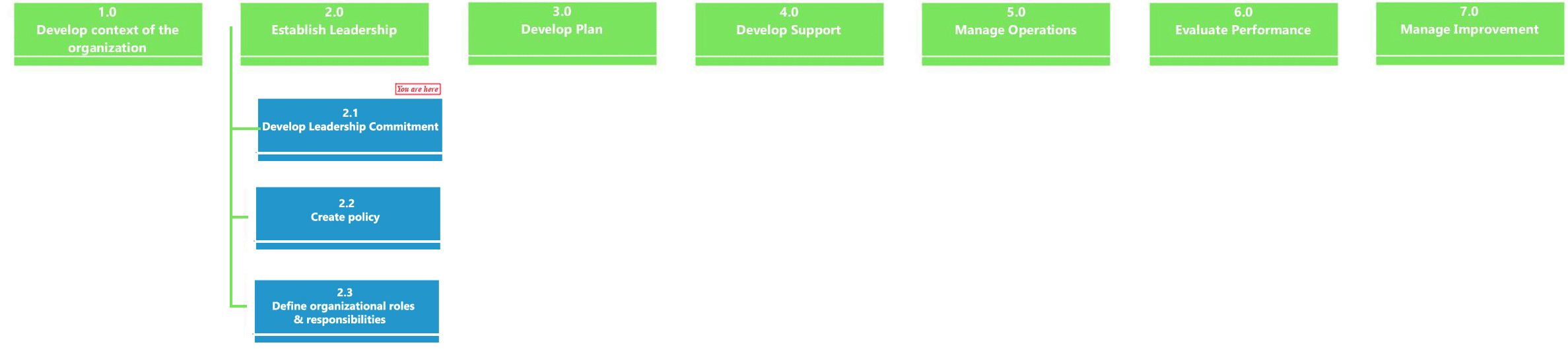
Here is a worksheet to help you evaluate where your business practices are currently stand. [business responsibility assessment template] Undertake this exercise with sincerity, openness and a willingness to question your existing practices. There are no perfect answers. The purpose of this exercise is to recognize where your business already reflects your values and where there may be opportunities for improvement. If the survey appears a little advanced for your organization at this stage, you may wish to begin with > Section 2.2: Business Policy <>. This section guides you through identifying the values and principles that drive your enterprise before progressing to the broader responsibility assessment. |